

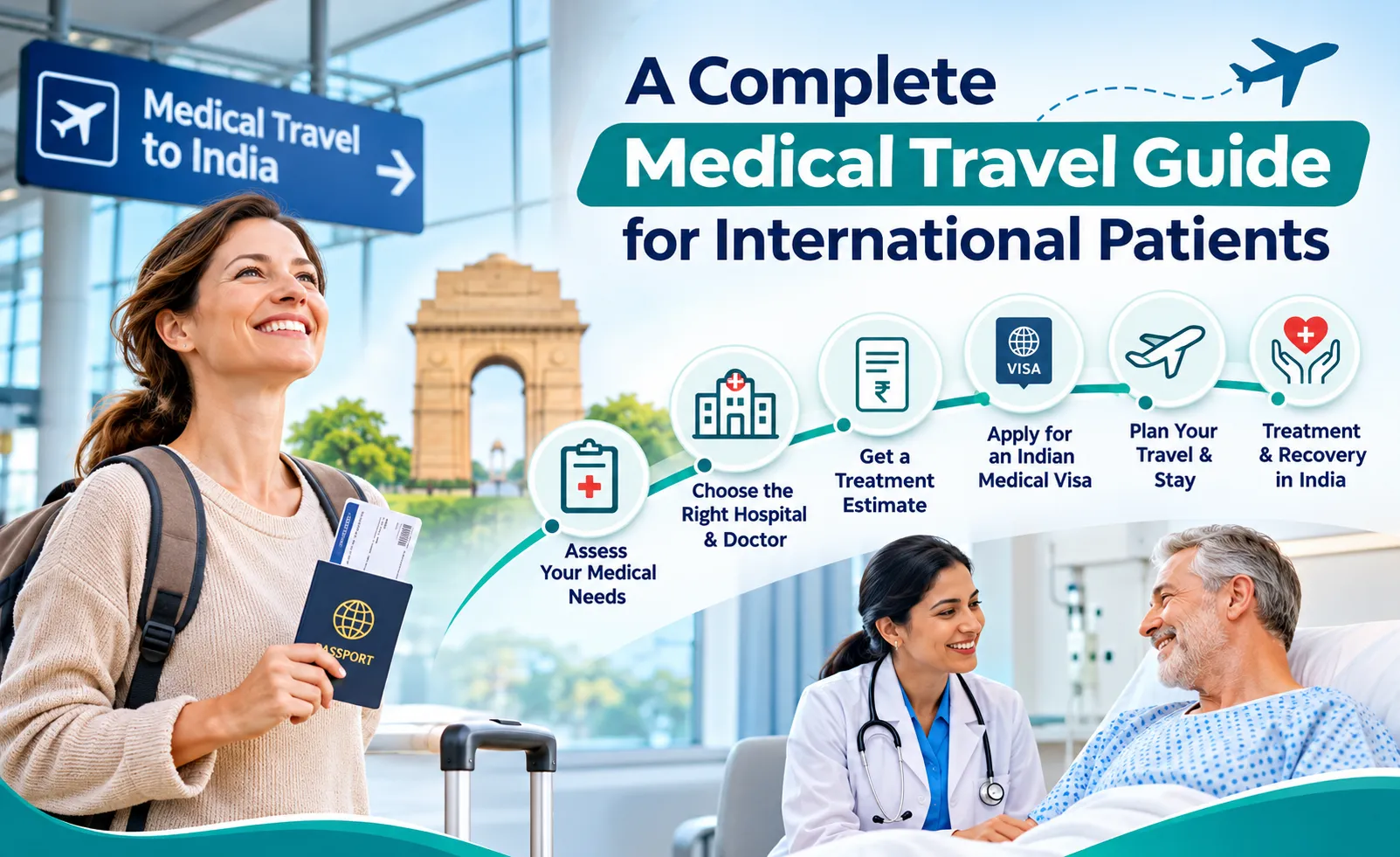
Traveling to another country for medical treatment requires careful planning, reliable information, and the right healthcare support. India is a destination considered by international patients seeking specialized medical treatments, experienced doctors, and modern hospital facilities.
Whether you are planning heart surgery, cancer treatment, spine surgery, dental implants, kidney treatment, or IVF, understanding the medical travel process can help you prepare for your healthcare journey.
Health Tours India helps international patients explore hospitals, doctors, and medical treatment options across India.
1. Understand Your Medical Needs Before Traveling
The first step in planning medical travel is understanding your medical condition and the type of treatment you may need.
Before contacting a hospital, collect your relevant medical documents, including:
-
Recent medical reports and diagnostic test results
-
Previous treatment records
-
Doctor’s prescriptions and recommendations
-
Current medication details
-
Relevant scans, X-rays, MRI, or CT reports
-
Information about allergies and existing health conditions
Sharing accurate medical information helps specialists assess your case and recommend appropriate next steps.
2. Choose the Right Hospital and Specialist in India
India has hospitals offering specialized medical services in cardiology, neurology, oncology, orthopedics, nephrology, dentistry, and fertility care.
When choosing a hospital, consider its medical facilities, accreditation, relevant specialty departments, and experience with your condition.
Similarly, review the doctor’s qualifications, professional registration, area of expertise, and experience with the proposed treatment.
Popular Medical Treatments in India
-
Cardiology & Heart Care: Angioplasty, bypass surgery, and heart valve procedures.
-
Neurology & Brain Care: Brain tumor surgery, stroke care, and neurological treatments.
-
Spine Care: Disc surgery, spinal deformity correction, and selected minimally invasive procedures.
-
Oncology: Cancer surgery, chemotherapy, and radiation therapy.
-
Dental Care: Dental implants, crowns, and restorative dentistry.
-
IVF & Fertility: Fertility assessments and assisted reproductive treatments.
-
Kidney Care: Chronic kidney disease management and transplantation.
Treatment suitability depends on the patient’s diagnosis and specialist assessment.
3. Request a Medical Consultation and Treatment Estimate
Before traveling to India, international patients should contact the selected hospital to discuss their medical requirements.
Some hospitals offer remote consultations or preliminary medical record reviews.
Ask for a written treatment estimate that includes:
-
Consultation and specialist fees
-
Hospitalization and room charges
-
Surgery or procedure costs
-
Diagnostic tests and medications
-
Intensive care charges, if applicable
-
Rehabilitation and follow-up expenses
-
Possible additional costs if complications occur
Remember that preliminary estimates may change after a physical examination or additional tests.
A successful medical journey begins with careful planning, trusted medical guidance, and a clear understanding of your treatment, recovery, and travel requirements.
4. Apply for the Appropriate Indian Medical Visa
International patients traveling to India for medical treatment should confirm the appropriate visa category before departure.
Depending on nationality and eligibility, patients may be able to apply for an Indian Medical Visa or e-Medical Visa. An accompanying family member may need a separate medical attendant visa.
Commonly requested documents can include:
-
A valid passport
-
Recent passport photograph
-
Hospital invitation or medical treatment letter
-
Medical records supporting the treatment purpose
-
Completed visa application and applicable fees
Visa eligibility, documentation, permitted stay, and application procedures vary. Always verify the latest requirements through the official Indian government visa portal or the relevant Indian embassy or consulate.
5. Plan Your Flight and Accommodation
Once your medical consultation, visa, and treatment arrangements are confirmed, you can begin planning your travel.
Choose accommodation that provides convenient access to the hospital, particularly if you expect multiple consultations or follow-up appointments.
Important considerations include:
-
Flight arrangements and arrival date
-
Airport transfer options
-
Accommodation near the hospital
-
Accessibility and mobility requirements
-
Availability of a family member or caregiver
-
Local transportation during recovery
For patients with serious heart, lung, or other medical conditions, obtain medical clearance before flying.
6. What Happens After Arriving in India?
After arriving in India, patients generally complete hospital registration and attend an initial consultation with the treating specialist.
Depending on the medical condition, the hospital may recommend additional tests or assessments before confirming the treatment plan.
The typical process may include:
-
Hospital registration and consultation
-
Review of medical reports
-
Additional diagnostic tests, if required
-
Confirmation of the treatment plan and costs
-
Medical procedure or treatment
-
Hospital recovery and monitoring
-
Discharge instructions and follow-up care
The process and timeline vary according to the patient’s condition and type of treatment.
7. Understand Recovery and Post-Treatment Care
Recovery is an important part of medical travel planning.
Some procedures allow patients to return to normal activities relatively quickly, while major surgeries may require extended hospitalization, rehabilitation, and follow-up appointments.
Before leaving the hospital, confirm:
-
Required medications and their duration
-
Wound care or rehabilitation instructions
-
Warning signs that need urgent medical attention
-
Follow-up appointment dates
-
Restrictions on physical activity
-
When it is medically safe to fly home
-
How medical records will be shared with your local doctor
Always follow the treating specialist’s recommendations regarding travel after surgery.
8. Prepare for Returning to Your Home Country
Before returning home, request copies of your medical documents.
These may include your discharge summary, procedure reports, prescriptions, diagnostic results, and recommended follow-up schedule.
Share these records with your regular healthcare provider to help maintain continuity of care.
Patients undergoing complex procedures may need ongoing monitoring after returning to their home country.
9. How Health Tours India Helps International Patients
Health Tours India is a medical tourism platform designed to help international patients discover healthcare options across India.
Through our website, patients can:
-
Explore hospitals in different Indian cities.
-
Find doctors and medical specialists.
-
Learn about available medical treatments.
-
Access information about healthcare services.
-
Explore options relevant to their medical requirements.
-
Prepare for their medical journey with useful guidance.
Our aim is to make information about healthcare in India more accessible and convenient for international patients.