Travel to India for Quality Medical Treatment
Explore Leading Hospitals & Experienced Doctors in India
Discover Specialized Medical Treatments in India
Plan Your Medical Journey With Health Tours India
Travel to India for Quality Medical Treatment
Explore Leading Hospitals & Experienced Doctors in India
Discover Specialized Medical Treatments in India
Plan Your Medical Journey With Health Tours India


-
Hotline Number: +91 8375959152
Health Tours India is a medical tourism platform helping international patients explore quality healthcare options across India.
- New Delhi, India
- +91 8375959152
- contact@healthtoursindia.com
Dental Implants Treatment
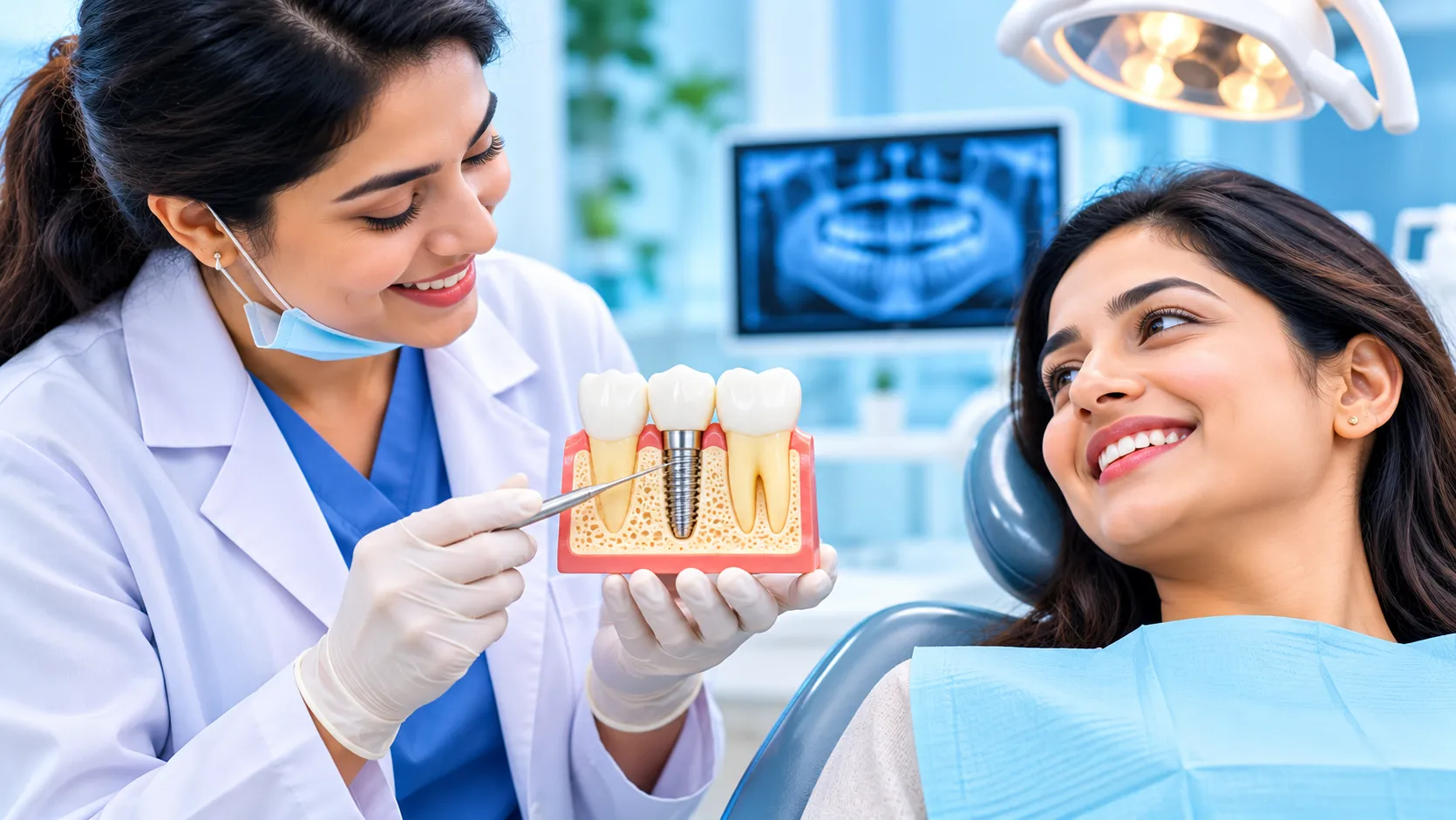
Dental Implants Treatment in India
India offers advanced dental implant treatments for international patients seeking solutions for missing, damaged, or severely decayed teeth. Specialized dental hospitals and clinics provide modern diagnostic technology, experienced implantologists, and personalized restorative dental procedures to help restore oral function and improve smile aesthetics.
At Health Tours India, we help international patients explore dental implant specialists, modern dental clinics, and available treatment options across India. Our platform provides useful information to support informed decisions about dental care and treatment planning.
Key Benefits of Dental Implants Treatment in India
Dental implants are a long-term tooth replacement option designed to replace missing teeth and support natural-looking dental restorations. Many dental clinics in India offer implant procedures using digital imaging, treatment planning software, and modern restorative techniques.
Depending on the patient’s oral health, bone condition, and treatment requirements, dental implants may support improved chewing ability, speech, comfort, and smile appearance.
Key Features of Dental Implant Services
Experienced Implantologists & Dental Surgeons
Advanced Digital Dental Imaging & 3D CBCT Scans
Single Tooth Dental Implants
Multiple Teeth Replacement
Full Mouth Dental Implants
All-on-4 & All-on-6 Implant Solutions
Implant-Supported Crowns, Bridges & Dentures
Bone Grafting & Sinus Lift Procedures
Everything You Need to Know About Dental Implants
Dental implants are artificial tooth roots, commonly made from titanium or other biocompatible materials, that are surgically placed into the jawbone to support replacement teeth.
A dental implant restoration typically consists of three components:
Implant Post: A small fixture placed into the jawbone to act as an artificial tooth root.
Abutment: A connecting component between the implant and dental restoration.
Dental Crown: A custom-made artificial tooth designed to restore appearance and function.
Dental implants may be recommended for patients who have lost teeth due to injury, decay, gum disease, or other dental conditions.
The suitability of implant treatment depends on factors such as jawbone quality, gum health, medical history, and oral hygiene.
Advanced Dental Implant Treatments Available in India
1. Single Tooth Dental Implants
A single tooth implant is used to replace one missing tooth without relying on neighboring teeth for support.
The procedure involves placing an implant into the jawbone, followed by an abutment and a custom-made crown after appropriate healing.
Single tooth implants can help restore chewing function and maintain the appearance of the smile.
2. Multiple Teeth Dental Implants
Patients missing several teeth may benefit from implant-supported dental bridges or individual implants.
These restorations provide fixed tooth replacement options and may reduce the need for removable partial dentures.
The number and position of implants depend on the patient’s jawbone condition and treatment plan.
3. Full Mouth Dental Implants
Full mouth dental implant treatment is designed for patients who have lost most or all of their teeth.
Implants can support a fixed full-arch bridge or a removable implant-supported denture.
A dental specialist evaluates the patient’s oral health, bone structure, and functional requirements before recommending a suitable restoration.
4. All-on-4 & All-on-6 Dental Implants
All-on-4 and All-on-6 are full-arch implant treatment approaches that use four or six implants, respectively, to support a complete arch of replacement teeth.
These procedures may be considered for selected patients with extensive tooth loss.
Depending on the clinical situation, a temporary restoration may be placed soon after surgery, while the final restoration may require additional healing time.
5. Immediate Dental Implant Placement
Immediate implant placement involves inserting a dental implant into the extraction socket during the same appointment as tooth removal.
This approach may reduce the number of surgical visits for suitable patients.
However, immediate placement is not appropriate for every case. Bone condition, infection risk, implant stability, and other clinical factors must be carefully evaluated.
6. Bone Grafting & Sinus Lift Procedures
Some patients do not have sufficient jawbone volume to support dental implants.
Bone grafting may be recommended to improve the available bone structure before or during implant placement.
A sinus lift is a specialized procedure used to increase bone height in certain areas of the upper jaw.
These treatments may extend the overall implant treatment timeline.
7. Implant-Supported Dentures
Implant-supported dentures are attached to dental implants rather than relying entirely on the gums for support.
They may provide improved stability and comfort compared with conventional removable dentures for suitable patients.
The dentist determines the appropriate implant number, attachment system, and restoration design.
Why Choose India for Dental Implant Treatment?
India has specialized dental clinics and multispecialty hospitals offering implant dentistry, oral surgery, and restorative dental services.
International patients may consider India because of access to:
Experienced dental implant specialists
Modern dental imaging and treatment planning
Single, multiple, and full-mouth implant procedures
Implant-supported prosthetic restorations
Potentially competitive treatment costs
Dental clinics serving international patients
Treatment costs and outcomes vary depending on the implant system, number of implants, bone grafting requirements, restoration materials, and individual oral health.
Successful dental implant treatment requires careful planning, healthy supporting tissues, appropriate surgical techniques, and regular long-term dental maintenance.
Dental Implant Treatment Process
The dental implant process generally includes several stages.
Step 1: Dental Consultation
The dentist examines the patient’s teeth, gums, jawbone, and overall oral health.
Step 2: Diagnostic Imaging
Dental X-rays or 3D CBCT scans may be used to evaluate bone structure and plan implant placement.
Step 3: Personalized Treatment Planning
The dentist determines the number of implants, restoration type, additional procedures, and estimated treatment timeline.
Step 4: Implant Placement
Dental implants are surgically placed into the jawbone under appropriate anesthesia.
Step 5: Healing & Osseointegration
The surrounding bone gradually integrates with the implant. This healing process commonly takes several months, although timelines vary.
Step 6: Final Dental Restoration
After appropriate healing, a crown, bridge, or denture is attached to the implants.
Step 7: Follow-Up & Maintenance
Regular dental checkups, professional cleaning, and good oral hygiene help support long-term implant health.
Dental Implant Care for International Patients
Health Tours India helps international patients explore implantologists, dental hospitals, and available implant treatment options across India.
Our website provides information about dental implant procedures, specialist care, and dental facilities to help patients research their options before traveling.
International patients should discuss the expected number of visits, healing periods, temporary restorations, treatment costs, and follow-up arrangements before making travel plans.
Some implant procedures require multiple appointments over several months, so patients should avoid assuming that treatment can always be completed during a single visit.
Our Treatments
Get a free cost estimate
Share your medical reports and receive a personalised treatment plan & all-inclusive quote within 24 hours.
Book an Appointment
Connect with experienced doctors at leading hospitals in India. Explore treatment options and request a specialist consultation through Health Tours India