Travel to India for Quality Medical Treatment
Explore Leading Hospitals & Experienced Doctors in India
Discover Specialized Medical Treatments in India
Plan Your Medical Journey With Health Tours India
Travel to India for Quality Medical Treatment
Explore Leading Hospitals & Experienced Doctors in India
Discover Specialized Medical Treatments in India
Plan Your Medical Journey With Health Tours India

-
Hotline Number: +91 8375959152
Health Tours India is a medical tourism platform helping international patients explore quality healthcare options across India.
- New Delhi, India
- +91 8375959152
- contact@healthtoursindia.com
Spine Care & Treatment
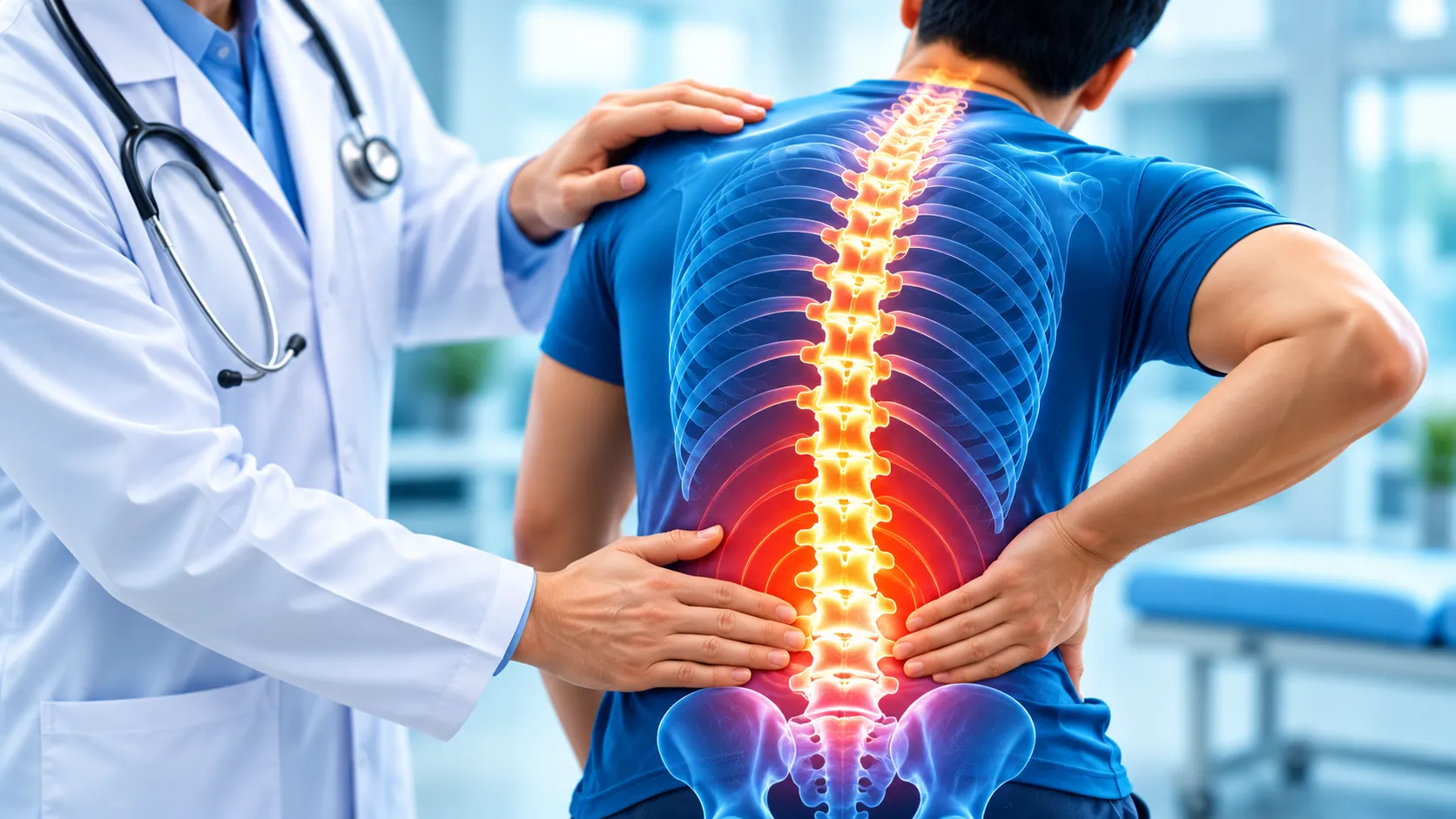
Spine Care & Treatment in India
India offers advanced spine care and treatment options for patients experiencing back pain, neck pain, slipped discs, spinal deformities, and other spine-related conditions. Specialized hospitals provide modern diagnostic facilities, experienced spine surgeons, orthopedic specialists, and neurosurgeons for the assessment and treatment of spinal disorders.
At Health Tours India, we help international patients explore leading spine hospitals, experienced specialists, and available treatment options across India. Our platform provides useful information to help patients make informed decisions about their spinal healthcare needs.
Key Benefits of Advanced Spine Care & Treatment in India
Many multispecialty hospitals in India offer dedicated spine care departments with modern diagnostic equipment, surgical facilities, and rehabilitation services. Depending on the patient’s condition, treatment may include physiotherapy, medication, minimally invasive procedures, or complex spinal surgery.
Key Features of Spine Care Services
Experienced Spine Surgeons & Neurosurgeons
Advanced MRI, CT Scan & Spine Diagnostics
Minimally Invasive Spine Surgery
Slipped Disc & Herniated Disc Treatment
Spinal Fusion & Disc Replacement
Scoliosis & Spinal Deformity Correction
Spine Rehabilitation & Pain Management
Everything You Need to Know About Spine Care & Treatment
Spine care focuses on diagnosing, managing, and treating conditions affecting the vertebrae, intervertebral discs, spinal cord, and surrounding nerves.
Spinal disorders may cause persistent back pain, neck pain, stiffness, numbness, tingling, muscle weakness, or difficulty walking.
Common spine-related conditions include herniated discs, spinal stenosis, degenerative disc disease, scoliosis, spondylolisthesis, and spinal fractures.
Early medical evaluation and appropriate treatment can help manage symptoms, improve mobility, and reduce the risk of complications.
Advanced Spine Treatments Available in India
1. Minimally Invasive Spine Surgery
Minimally invasive spine surgery uses specialized instruments and smaller incisions to treat selected spinal conditions.
For suitable patients, these techniques may reduce tissue disruption, postoperative discomfort, and recovery time compared with certain traditional surgical approaches.
However, not every spinal condition can be treated using minimally invasive surgery.
2. Slipped Disc & Herniated Disc Treatment
A slipped or herniated disc occurs when disc material presses against nearby nerves, potentially causing back pain, leg pain, numbness, or weakness.
Treatment options may include physiotherapy, medication, targeted injections, or surgery when clinically necessary.
Procedures such as microdiscectomy may be recommended for selected patients with persistent nerve compression or significant neurological symptoms.
3. Spinal Fusion Surgery
Spinal fusion is a surgical procedure used to permanently join two or more vertebrae to improve spinal stability.
It may be considered for selected patients with spinal instability, deformities, or certain degenerative conditions.
The decision to perform spinal fusion depends on imaging findings, symptoms, and specialist evaluation.
4. Artificial Disc Replacement
Artificial disc replacement involves replacing a damaged spinal disc with a medical implant designed to preserve some movement at the treated spinal level.
It may be an option for carefully selected patients with certain cervical or lumbar disc conditions.
A spine surgeon evaluates whether disc replacement or another treatment approach is appropriate.
5. Scoliosis & Spinal Deformity Correction
Scoliosis is an abnormal sideways curvature of the spine that may affect children, teenagers, or adults.
Treatment depends on the severity of the curvature, the patient’s age, symptoms, and risk of progression.
Options may include observation, bracing, physiotherapy, or corrective surgery for selected cases.
6. Spinal Stenosis Treatment
Spinal stenosis occurs when spaces within the spine become narrowed, potentially placing pressure on nerves or the spinal cord.
Symptoms may include pain, numbness, weakness, or difficulty walking.
Treatment may involve medication, rehabilitation, injections, or decompression surgery when appropriate.
7. Spine Rehabilitation & Pain Management
Rehabilitation plays an important role in managing many spinal conditions and supporting recovery after surgery.
A personalized rehabilitation program may include:
Physiotherapy and strengthening exercises
Posture and movement education
Mobility and flexibility training
Pain management techniques
Postoperative rehabilitation
Guidance for returning to daily activities
Why Choose India for Spine Treatment?
India has specialized hospitals offering orthopedic spine surgery, neurosurgery, diagnostic imaging, and rehabilitation services.
International patients may consider India because of access to:
Experienced orthopedic spine surgeons and neurosurgeons
Advanced spinal diagnostic facilities
Minimally invasive and conventional surgical options
Multidisciplinary treatment teams
Rehabilitation and recovery services
International patient departments at selected hospitals
Treatment availability, costs, and recovery timelines vary according to the hospital and individual medical requirements.
Effective spine care begins with an accurate diagnosis and a personalized treatment plan. Surgery is not always necessary, and many spinal conditions can be managed through appropriate non-surgical treatment.
Spine Care for International Patients
Health Tours India helps international patients discover spine specialists, hospitals, and treatment options across India.
Our website provides information about spinal conditions, available medical procedures, and healthcare facilities to help patients explore suitable treatment options before traveling.
Patients should consult qualified spine specialists to understand the recommended treatment, possible risks, expected recovery period, and medical fitness for international travel.
Our Treatments
Get a free cost estimate
Share your medical reports and receive a personalised treatment plan & all-inclusive quote within 24 hours.
Book an Appointment
Connect with experienced doctors at leading hospitals in India. Explore treatment options and request a specialist consultation through Health Tours India